Is building links from untrustworthy websites potentially harmful?

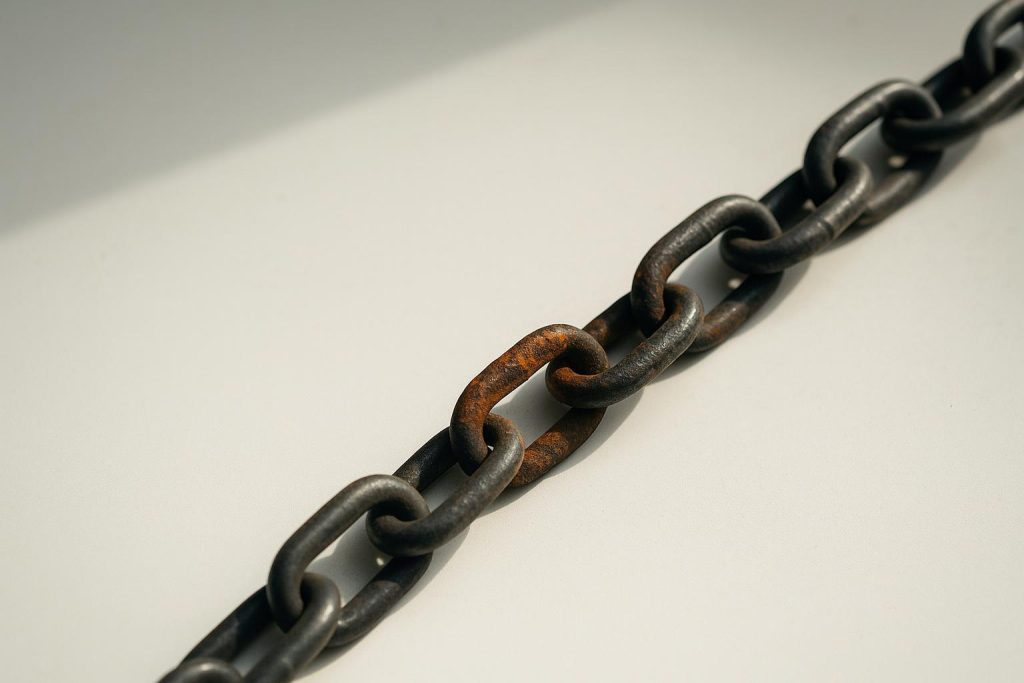
A rusted chain representing link building risks from untrustworthy websites.

Is Building Links From Untrustworthy Websites Potentially Harmful?

Yes. Acquiring backlinks from low-quality, spammy, or untrustworthy sources can negatively impact your search rankings and even lead to penalties from search engines. When it comes to link building risks, it’s essential to prioritize reputable domains that offer genuine value and align with your industry. Think of your backlink profile like a careful lab experiment—if the ingredients (links) are contaminated, the entire outcome (search performance) could suffer.

Instead, seek out credible publishers and authoritative websites that naturally connect to your content. That way, you’ll build a high-quality signal for search engines. If you’re unsure about avoiding potential pitfalls, explore our Organic Growth Engine for a more reliable way to drive organic traffic. Ready to see this strategy in action? Sign up for a demo and learn how to reinforce your link profile without risking your site’s reputation.

Related FAQs

Ensure Your Website’s Responsiveness Across All Devices In today’s digital landscape, having a website that looks and functions well on all devices is no longer a luxury—it’s a necessity. Ensuring your site is truly responsive ensures that users have a consistent experience whether they’re on a smartphone, tablet, or desktop computer. But how do you […]

Maintaining Speed While Updating Content A truly future-proof CMS is designed to handle the fast-paced demands of modern digital marketing, giving you the flexibility to publish new pages or refresh existing ones without sacrificing performance. By incorporating efficient caching mechanisms and an adaptable architecture, it ensures rapid content updates happen behind the scenes, so your […]

Staying on Top of CMS Updates It’s generally wise to update your CMS at least quarterly—or more frequently if you handle sensitive data or rely on frequent content changes. These updates help ensure your platform remains secure, optimally performing, and truly future-proof. If you’ve noticed plugin conflicts, slower load times, or new version releases, a […]

Proven Ways to Speed Up Your Site Page speed is vital for user experience and search engine visibility. Here are some tips to ensure your website loads quickly: Compress images to reduce file size. Use caching to store data for returning visitors. Minify your CSS, JavaScript, and HTML. Leverage a Content Delivery Network (CDN) for […]

Designing a Clear Path Making a website layout easy to navigate starts with a clean, well-organized structure. When visitors can find what they need without guesswork, they’re more likely to stay longer and engage with your content. A user-friendly layout typically includes a logical menu hierarchy, visible search bar, and consistent headers and footers. Keep […]

Streamlined Organization for a Seamless Reading Experience When designing your blog layout, a clear and simple structure is key to enhancing user experience. A prominent navigation bar at the top of each page helps visitors quickly locate specific content categories, while well-labeled menus or dropdowns group related topics for efficient browsing. Placing these essential navigation […]