How can small businesses optimize their on-page SEO effectively?

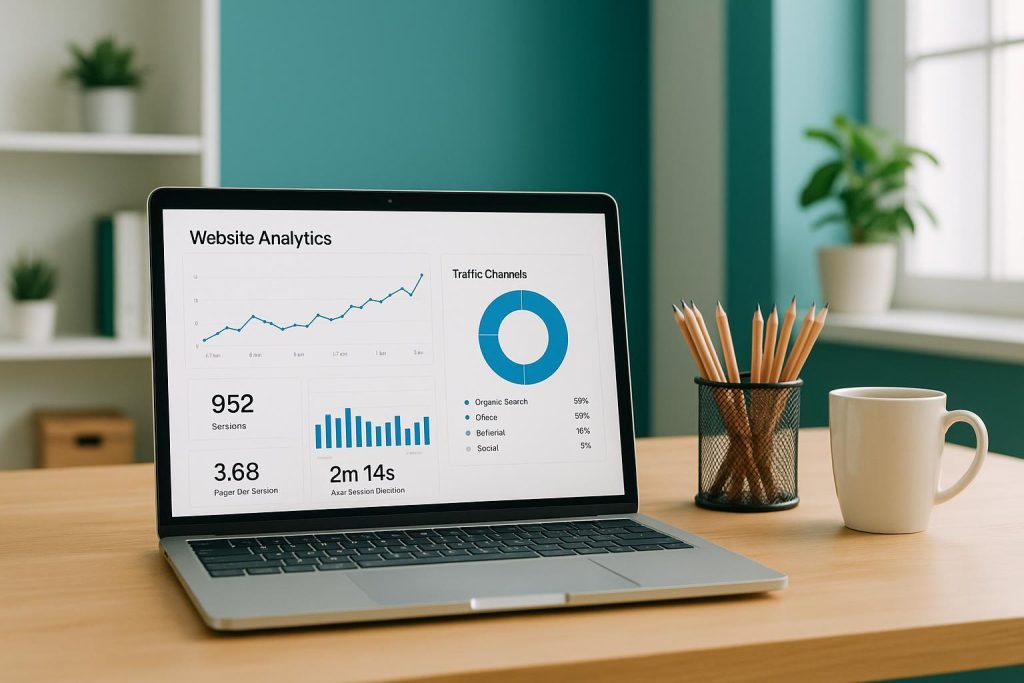
Modern workspace with laptop analytics for on-page SEO optimization.

Answer Summary

Small businesses can enhance their on-page SEO by focusing on keyword research, creating high-quality content, and improving user experience, which are crucial for better search engine visibility and customer attraction.

Optimizing On-Page SEO for Small Businesses

For small businesses, mastering on-page SEO is crucial for improving visibility and attracting potential customers. Start by understanding that on-page SEO includes all the elements you can control on your website, such as content, meta tags, and site structure, which help search engines understand your site better. By optimizing these areas, you can improve your search engine rankings and connect more effectively with your target audience.

One of the foundational steps in on-page SEO is conducting thorough keyword research. Instead of targeting broad terms, focus on long-tail keywords that are more specific to your services, location, or niche. This approach helps you reach a more targeted audience. Tools like Google Keyword Planner can be invaluable for identifying the right keywords that balance search volume and competition, ensuring your content resonates with potential clients.

Content is king when it comes to SEO. Regularly update your website with fresh, relevant, and high-quality content that addresses common questions and trends in your industry. This not only positions you as an authority but also improves your chances of ranking higher in search results. Use descriptive headings and bullet points to enhance readability and ensure your content is easily digestible for both users and search engines.

Ensure your website offers a seamless user experience. This includes fast loading times, mobile-friendliness, and easy navigation. A well-designed website keeps visitors engaged and encourages them to explore further, reducing bounce rates and improving your site’s overall performance. Remember, a positive user experience is a significant factor in search engine rankings.

By focusing on these key areas, small businesses can effectively optimize their on-page SEO, making their websites more competitive and visible in search engine results. For more insights and guidance, consider exploring AI-driven SEO strategies that can provide data-backed recommendations and streamline your optimization efforts.

Related FAQs

Stepping Into Your Audience’s Shoes One key to ensuring your content aligns with what readers really want is to dive deep into their needs and search behavior. Before you create or revise copy, figure out why someone might be searching for that topic in the first place. By investigating common questions, pain points, and desired […]

Unlocking Your Website’s Potential with SEO Audit Tools SEO audit tools are like the lab equipment of the digital marketing world—they help you dissect and understand your website’s performance to ensure it’s operating at peak efficiency. By using these tools, you can identify areas where your site might be underperforming, such as slow loading times, […]

Unlocking the Secrets to Content Strategy Success Measuring the success of your content strategy is like conducting a scientific experiment in the Loop Labs. You need the right metrics to see if your efforts are truly paying off. Here are some key metrics to track: Website Traffic: Monitor the number of visitors to your site. […]

Connecting Data for Clearer Results Integrating SEO analytics tools with other marketing platforms helps you capture data from multiple channels—such as social media, email campaigns, and paid ads—all in one place. This not only saves time for busy business owners but also provides a 360° view of what’s really driving growth. By syncing your SEO […]

Enhancing Reader Engagement Through Personalized Suggestions Personalized recommendations in blog posts can greatly elevate blog user engagement by speaking directly to your audience’s distinct interests. When readers feel content is tailored for them, they are more likely to spend time exploring other posts, share articles with their network, and return for future visits. These personalized […]

Understanding the Mobile-First Mindset Mobile indexing means that search engines primarily evaluate the mobile version of your site to determine how it ranks—not just its desktop layout. Essentially, it’s all about giving smartphone users the best possible experience. If your website isn’t fully optimized for smaller screens, it might struggle to rank well, even in […]