How can small businesses optimize their on-page SEO effectively?

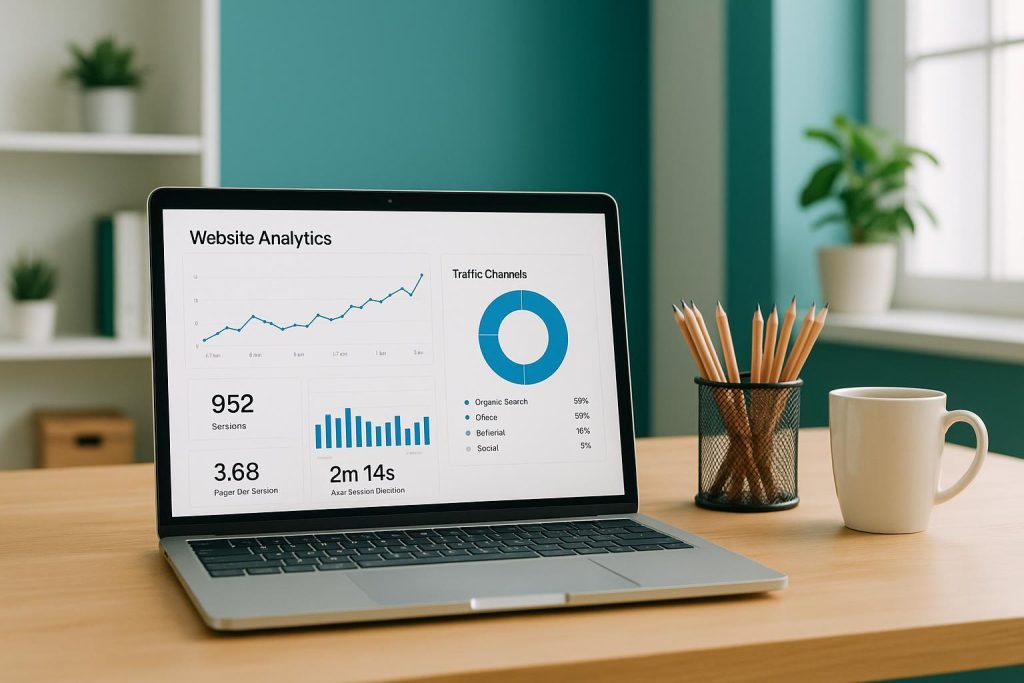
Modern workspace with laptop analytics for on-page SEO optimization.

Answer Summary

Small businesses can enhance their on-page SEO by focusing on keyword research, creating high-quality content, and improving user experience, which are crucial for better search engine visibility and customer attraction.

Optimizing On-Page SEO for Small Businesses

For small businesses, mastering on-page SEO is crucial for improving visibility and attracting potential customers. Start by understanding that on-page SEO includes all the elements you can control on your website, such as content, meta tags, and site structure, which help search engines understand your site better. By optimizing these areas, you can improve your search engine rankings and connect more effectively with your target audience.

One of the foundational steps in on-page SEO is conducting thorough keyword research. Instead of targeting broad terms, focus on long-tail keywords that are more specific to your services, location, or niche. This approach helps you reach a more targeted audience. Tools like Google Keyword Planner can be invaluable for identifying the right keywords that balance search volume and competition, ensuring your content resonates with potential clients.

Content is king when it comes to SEO. Regularly update your website with fresh, relevant, and high-quality content that addresses common questions and trends in your industry. This not only positions you as an authority but also improves your chances of ranking higher in search results. Use descriptive headings and bullet points to enhance readability and ensure your content is easily digestible for both users and search engines.

Ensure your website offers a seamless user experience. This includes fast loading times, mobile-friendliness, and easy navigation. A well-designed website keeps visitors engaged and encourages them to explore further, reducing bounce rates and improving your site’s overall performance. Remember, a positive user experience is a significant factor in search engine rankings.

By focusing on these key areas, small businesses can effectively optimize their on-page SEO, making their websites more competitive and visible in search engine results. For more insights and guidance, consider exploring AI-driven SEO strategies that can provide data-backed recommendations and streamline your optimization efforts.

Related FAQs

Comprehensive Strategies to Track and Analyze Your Business Competitors Understanding the competitive landscape is a critical step for any business aiming to grow and thrive. Whether you want to boost market share, increase brand visibility, or refine your product offerings, knowing who else operates in your space provides you with the insights to make more […]

Inside an On-Page SEO Review: Top Pitfalls to Avoid When it comes to strengthening your online presence, on-page SEO is often the first—and arguably the most critical—step in boosting your Google ranking. It involves optimizing elements you control directly on your website, from page titles and meta descriptions to internal links and content quality. Although […]

Key Metrics to Track for Effective SEO Measuring the success of your SEO efforts is about looking at the right numbers and analyzing them regularly. One of the most vital indicators is organic website traffic. If your site sees an increase in the number of visitors who find you through search engines, it’s a clear […]

Encouraging Reader Feedback and Building Community Encouraging readers to leave comments on your blog posts can significantly boost user engagement and help foster a sense of community around your content. The first step is to produce posts that spark interest and curiosity. Write about relatable topics, pose open-ended questions, and invite readers to share their […]

Harnessing Social Media for an Audience-Focused SEO Strategy Social media interactions are one of the most dynamic ways to amplify audience-driven topics and strengthen your overall SEO efforts. Even though social media engagement may not be a direct ranking factor in all search engine algorithms, platforms like Facebook, Instagram, LinkedIn, and Twitter offer immediate and […]

Plan a Content Calendar That Aligns With Your Business Milestones Creating a content calendar that genuinely serves your business timeline begins with a clear understanding of your goals. Ask yourself what you hope to achieve through your content: Are you boosting brand awareness, driving lead generation, or nurturing existing customer relationships? When you have a […]